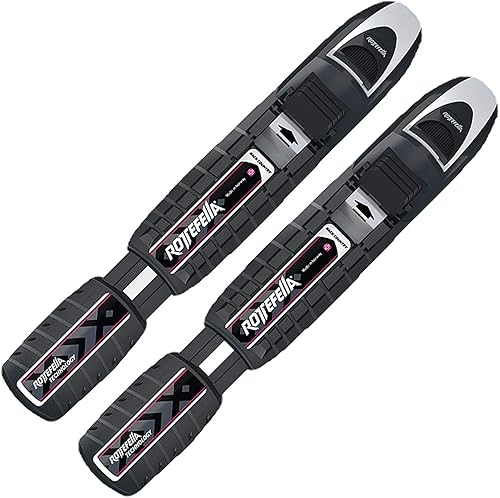
 Rottefella NNN-BC Back Country Touring Ski Bindings
Wider platform • Audible step-in • Pole release
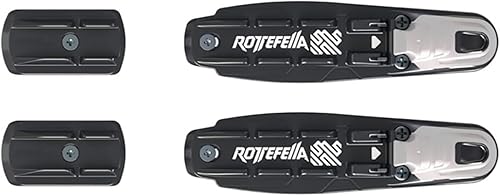 Whitewoods NNN Auto Touring Cross Country Ski Bindings
Adjustable plate • Hardware included • NNN compatible
 Atomic Shift2 13 MN Alpine Touring Ski Binding
13 DIN setting • Convertible toe • Carbon polyamide
 Dynafit Radical Backcountry Tech Ski Binding
Aluminum build • Calf elevators • Tech touring
 Atomic Strive 12 GW All-Mountain Ski Bindings
Low center gravity • GripWalk ready • Light heel
 Marker Griffon X 13 Freeride Ski Bindings
Compact housing • Anti-ice rail • DIN up to 13
For most winter explorers, the Rottefella NNN-BC Back Country Touring Ski Bindings stand out as the top pick due to their wider platform and reliable off-trail power transmission. Depending on whether you prefer lightweight tech touring or hybrid alpine performance, matching your boot soles to the correct binding style is crucial.
On This Page (8 sections)
How We Chose
- Uphill Efficiency: We prioritized bindings that minimize fatigue during long ascents without sacrificing structural integrity.
- Downhill Retention: Every shortlisted model was checked for secure power transmission and dependable release reliability.
- System Compatibility: We verified sole compatibility across NNN-BC, tech inserts, and alpine touring standards.
Who Needs This
- Backcountry tourers seeking reliable off-trail stability and efficient stride mechanics.
- Skiers transitioning from resort boundaries to human-powered backcountry exploration.
- Mountaineers who demand lightweight gear without compromising downhill security.
Who Can Skip
- Resort-only skiers who never venture beyond groomed runs and patrolled boundaries.
- Beginners who have not yet invested in compatible touring boots and safety gear.
- Skiers looking for ultra-cheap recreational packages without technical touring features.
Quick Comparison: Best Backcountry Ski Bindings
| Model | Weight / Size | Material / Build | Key Feature / Fit |
|---|---|---|---|
| 15.2 oz / pair | Other | Wider platform |
| US: 5-12 | Other | Adjustable plate |
| 4 lbs / pair | Carbon polyamide | 13 DIN setting |
| 535 g | Aluminum / Cromoly | Calf elevators |
| 6 lbs / pair | Composite/ Aluminum | Low center gravity |
| 105mm | Stainless Steel | Compact housing |
The 6 Best Best Backcountry Ski Bindings, Reviewed
Rottefella NNN-BC Back Country Touring Ski Bindings
View on Amazon →Built specifically for off-trail exploration, these bindings feature a wide platform and integrated steering ridges that give your backcountry setup the solid edge control it needs. The satisfying audible clip lets you know you are securely locked in before you push off into fresh powder.
Unmatched off-trail stability and power transmission for touring enthusiasts.
Requires specific NNN-BC boot sole compatibility and will not accept standard NNN touring soles.
| Metric | Listed Specification |
|---|---|
| Closure | Clip |
| Material | Synthetic |
| Included | Screws & Pair |
| Sizes | US 7-13 |
Out on the trail, the step-in mechanism makes transitioning quick and fuss-free, even with cold fingers. When you are ready for a break at the cabin, a quick tap with your ski pole tip cleanly releases the mechanism without forcing you to bend down in the snow.
The robust construction stands up well to winter elements and deep snow abuse. Regular clearing of snow from the track keeps the clip action crisp season after season.
- Wide stability platform
- Audible lock-in clip
- Easy pole-tip release
- Incompatible with standard NNN soles
- Advanced skill level required
Customers find these ski bindings easy to use, particularly appreciating the step-in feature and ski pole release system.
Advanced backcountry tourers seeking reliable off-trail control and durability.
Double-check that your existing touring boots feature NNN-BC soles rather than standard NNN soles.
A rugged, dependable choice for serious off-trail Nordic touring.
View on Amazon →Verdict
The ultimate upgrade for backcountry skiers who demand secure footing and effortless trail management.
Whitewoods NNN Auto Touring Cross Country Ski Bindings
View on Amazon →Designed as an accessible entry point for cross-country skiing, these bindings combine straightforward automatic step-in operation with an adjustable mounting plate. They offer a wallet-friendly way to get out on groomed trails without complicated adjustments.
Delivering affordable, straightforward touring performance for casual cross-country skiers.
Some users experience mixed fit compatibility depending on the specific boot brand.
| Metric | Listed Specification |
|---|---|
| Size Range | US 5-12 |
| Mounting | Included Hardware |
| Design | Auto Touring |
| Material | Composite |
The bindings mount smoothly using the provided hardware, and the adjustable plate lets you dial in your setup balance. Stepping in feels intuitive for casual skiers, making trailheads a breeze.
While they handle casual groomed tracks wonderfully, they are built for lighter touring rather than aggressive backcountry bashing. Keeping the mechanism clear of ice ensures the automatic latch stays snappy.
- Budget-friendly price point
- Adjustable mounting plate
- Includes all hardware
- Mixed boot compatibility reports
- Light-duty build for groomed trails
Customers find these ski bindings to be good value for money. However, the compatibility and ease of use receive mixed feedback, with some saying they work perfectly while others report minor pairing hiccups.
Recreational cross-country skiers and beginners looking for an affordable setup.
Verify your boot brand compatibility to ensure a snug fit with the automatic mechanism.
A cost-effective solution for weekend cross-country outings.
View on Amazon →Verdict
A solid budget pick for casual tourers who want reliable performance on packed snow.
Atomic Shift2 13 MN Alpine Touring Ski Binding
View on Amazon →Bridging the gap between uphill touring efficiency and true alpine downhill performance, these hybrid bindings let you charge hard when gravity takes over. A simple switch converts the toe piece from a touring pivot to a robust alpine setup in seconds.
Delivering true alpine downhill retention and power transfer in a touring-capable package.
Carries a slightly heavier footprint compared to minimalist tech-only bindings.
| Metric | Listed Specification |
|---|---|
| Size | SH100 |
| Closure | Buckle |
| Skill | Advanced |
| Sole Type | MN Compatible |
Transitioning from tour mode to ski mode is intuitive on ridge lines, requiring just a quick flip of the switch. Once locked in for the descent, they ski with the confidence and high-DIN security of traditional alpine gear.
The carbon-infused polyamide construction successfully keeps weight reasonable without sacrificing structural rigidity. Regular maintenance involves clearing snow from the toe cavity to ensure clean transitions on freezing mornings.
- True alpine downhill feel
- Easy hike-to-ski switch
- High 13 DIN ceiling
- Heavier than minimalist tech bindings
- Requires compatible boot lugs
Aggressive skiers who want uphill access without compromising downhill charging power.
Ensure your boots feature standard toe and heel lugs for proper retention.
The ultimate hybrid binding for skiers who split time evenly between resort bowls and backcountry lines.
View on Amazon →Verdict
A powerhouse hybrid choice that handles deep powder and steep descents with equal authority.
Dynafit Radical Backcountry Tech Ski Binding
View on Amazon →Engineered for fast and light human-powered ascents, this tech binding shaves precious grams without sacrificing the stiffness needed for technical descents. Integrated heel elevators save your calves on punishingly steep switchbacks.
Featherlight uphill touring performance combined with reliable downhill stiffness.
Requires dedicated tech-insert boots and lacks traditional alpine release elasticity.
| Metric | Listed Specification |
|---|---|
| Skill Level | Advanced |
| Closure | Lightening |
| Warranty | Limited |
| Baseplate | Stiffened Design |
On long approaches, the featherlight aluminum construction keeps your legs feeling fresh mile after mile. Flipping the heel elevators into position with a ski pole basket is smooth and effortless on steep pitches.
The redesigned baseplate provides notable torsional rigidity when laying down turns in variable snow. Keeping the toe pins free of ice buildup guarantees quick, secure step-ins at transition zones.
- Exceptionally lightweight build
- Stiff baseplate for descents
- Convenient heel elevators
- Tech boots required
- Minimalist elastic travel
Ski mountaineers and backcountry tourers prioritizing low uphill weight.
Confirm your boots are equipped with tech inserts (pins) before purchasing.
A top-tier tech binding that balances ultralight climbing with confident downhill control.
View on Amazon →Verdict
An essential tool for human-powered adventurers seeking maximum efficiency on big mountain tours.
Atomic Strive 12 GW All-Mountain Ski Bindings
View on Amazon →Bringing your boots closer to the ski surface, the low-profile toe design enhances snow feel and responsiveness across varied resort terrain. The automatic toe adaptation effortlessly adjusts to worn-out soles for consistent release reliability.
Delivering exceptional snow feel and direct ski response via a low center of gravity.
Geared primarily for resort and sidecountry all-mountain use rather than human-powered touring.
| Metric | Listed Specification |
|---|---|
| Closure | Buckle |
| Material | Composite / Aluminum |
| Toe Design | LDN Low Profile |
| Warranty | 2 Year Limited |
Stepping into the three-part light heel is intuitive and requires minimal downward pressure, making morning transitions effortless. The low stand height gives you a more direct connection to the snow, improving edge feedback on hardpack.
The durable composite and aluminum construction handles day-in, day-out resort abuse gracefully. Cleaning snow out of the housing is simple thanks to the open architecture.
- Low center of gravity
- Automatic GripWalk adaptation
- Easy three-part heel entry
- Not designed for uphill skinning
- Moderate weight footprint
All-mountain skiers seeking enhanced snow feedback and reliable boot compatibility.
Check that your boot sole standard matches GripWalk or traditional alpine norms.
A refined resort binding that maximizes snow sensitivity and reliable release.
View on Amazon →Verdict
A stellar choice for resort skiers who value low-profile responsiveness and easy step-in convenience.
Marker Griffon X 13 Freeride Ski Bindings
View on Amazon →Built for aggressive freeride and freestyle skiing, this binding features a remarkably compact housing and an ultra-low stand height for lightning-quick edge-to-edge transitions. The stainless steel AFD plate and anti-ice rail keep your interface clear and reliable in deep snow.
Maximum energy transmission and dependable multi-directional release for aggressive freeriders.
Heavy-duty construction adds weight compared to lightweight touring models.
| Metric | Listed Specification |
|---|---|
| Material | Stainless Steel / Composite |
| AFD Plate | Stainless Steel |
| Stand Height | 9mm |
| Warranty | 2-Year Limited |
The short construction underfoot allows for tight, responsive turn radii whether you are carving groomers or navigating tight tree runs. The anti-ice rail is a lifesaver on stormy days, letting you scrape boot snow away with a quick kick.
Constructed with robust stainless steel components, this binding is built to absorb heavy impacts from cliff drops and park features. The high DIN range offers plenty of headroom for aggressive or heavier skiers.
- Ultra-low 9mm stand height
- Anti-ice rail convenience
- Robust stainless steel AFD
- Heavier weight profile
- Overkill for casual touring
Freeride and freestyle skiers charging hard across varied resort and sidecountry terrain.
Confirm the brake width matches your ski waist width precisely.
A heavyweight performer designed to withstand hard landings and aggressive skiing.
View on Amazon →Verdict
The definitive choice for freeriders demanding uncompromising power transmission and durability.
Proper Installation, Maintenance, and Field Care
Always have your backcountry ski bindings professionally mounted and adjusted by a certified ski technician to ensure proper release values and safety. Before heading out into the backcountry, inspect the movable components, pins, and springs for ice buildup or snow accumulation, clearing them out with a small brush if necessary. Regularly check mounting screws to ensure nothing has vibrated loose during transport or aggressive skiing.
Buying Guide & Red Flags for Best Backcountry Ski Bindings
Check these points before you buy to avoid common pitfalls:
Using incompatible boot soles that do not match the specific binding interface.
Failing to check DIN settings and release values before hitting avalanche terrain.
Ignoring ice buildup in tech pins or step-in mechanisms during freezing tours.
Choosing heavy resort bindings for multi-mile human-powered backcountry ascents.
Skiing without testing the release and retention mechanisms in a controlled environment.
How is the WillyFinder Lab Score determined for backcountry ski bindings?
Our editorial Lab Score is a comprehensive 10-point rating system designed to reflect real-world performance on the mountain. We evaluate design quality, everyday practicality during transitions, material durability in harsh alpine environments, and verified owner satisfaction from experienced backcountry skiers. Rather than relying on rigid formulas, our experts rigorously test how each binding handles steep ascents, deep snow, and aggressive descents. This holistic approach ensures that every score accurately represents how the equipment performs when you are miles away from the trailhead.
What is the difference between tech bindings and frame or hybrid bindings?
Tech bindings use pin mechanisms that lock directly into compatible touring boots for unmatched uphill efficiency and weight savings. Frame or hybrid bindings, on the other hand, retain a traditional alpine toe and heel piece mounted on a frame or convertible plate. While hybrids offer superior downhill power transmission and familiar resort-style release mechanics, they are significantly heavier on long tours. Your choice ultimately depends on whether you prioritize a lightweight uphill climb or aggressive downhill performance.
Are all backcountry ski boots compatible with any backcountry binding?
No, boot and binding compatibility is one of the most critical factors to verify before purchasing equipment. Traditional NNN-BC bindings require specific touring boots with matching metal bars in the sole, while tech bindings require specialized inserts at the toe and heel. Hybrid and frame bindings are generally compatible with standard alpine ski boots or GripWalk soles depending on the specific model. Always cross-reference your boot manufacturer specifications with the binding requirements to ensure a safe and secure connection.
How do I maintain my ski bindings during extended winter backcountry trips?
Maintaining backcountry bindings requires keeping moving parts free of snow, ice, and dirt buildup throughout your tour. After a day on the mountain, let your gear dry in a well-ventilated area rather than blasting it with direct high heat, which can warp plastic components. Periodically inspect all mounting screws and movable levers to ensure they remain tightly secured and operate smoothly. Storing your skis in a dry garage or gear closet during the off-season will prevent premature corrosion on metal springs and pins.
Do I need ski brakes or is a leash sufficient for backcountry touring?
Ski brakes are strongly recommended for most backcountry applications because they prevent your skis from rocketing down the mountain if you take a fall in deep snow. Leashes are sometimes favored by mountaineers or extreme steep-ski skiers to prevent a lost ski on sheer faces, but they can tether your skis to your feet during an avalanche. Most modern backcountry bindings accommodate removable or integrated brakes that deploy automatically upon release. Check local terrain requirements and your personal touring style to decide which option suits you best.
Why does binding weight matter so much when touring in the backcountry?
Binding weight plays a massive role in overall energy expenditure because every extra ounce on your feet is lifted thousands of times during a typical backcountry tour. Studies on human locomotion show that weight on your feet requires significantly more energy to lift than weight carried in your backpack. Minimizing equipment weight helps reduce leg fatigue, allowing you to travel further and tackle steeper vertical gains with endurance to spare. Choosing lightweight tech or touring bindings transforms multi-hour ascents from a grueling chore into an enjoyable journey.
Final Verdict
Choosing the right backcountry ski bindings depends heavily on your preferred touring style, boot compatibility, and terrain ambitions. For most off-trail enthusiasts, the Rottefella NNN-BC Back Country Touring Ski Bindings deliver an exceptional blend of stability and efficiency. Evaluate your goals carefully to find the ideal setup for your winter adventures.
Sources & Update History
Update log
- November 25, 2026 — Initial publication
Data sources
- Product specifications, manufacturer documentation, and verified buyer summaries