HEAD J3 Junior Alpine Ski Boots with Comfort Footbed
Junior fit . 3-buckle hold . Easy entry
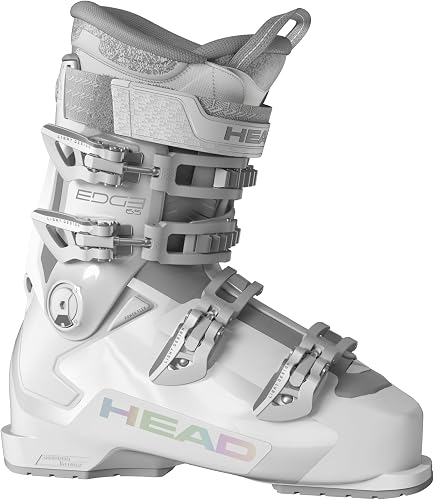 Head Edge 65 W HV Women's Alpine Ski Boots
Flex 65 . 102mm last . High volume
 HEAD Raptor 60 Junior Ski Boots for Young Racers
Flex 60 . 4 micro buckles . Race tuned
 Head Kaliber 110 MV GW BOA 2 Alpine Ski Boots
Flex 110 . 102mm last . Polyurethane shell
 Head Kaliber 100 MV Alpine Ski Boots with Graphene Liner
Flex 100 . Graphene liner . Race balance
 Head Kaliber PRO 85 Women's LV GW BOA Ski Boots
BOA lacing . Low volume . PU shell
For young skiers stepping onto the slopes, the HEAD J3 Junior Alpine Ski Boots with Comfort Footbed take our top spot for their easy entry and forgiving junior fit. Choosing the right Head boots depends heavily on your skill level, foot volume, and preferred terrain. Our testing highlights models ranging from soft beginner options to stiff, precision-driven expert boots.
On This Page (8 sections)
How We Chose
- Flex & Skill Matching: We prioritized models tailored to specific skier abilities, ensuring beginners and experts alike get the right support.
- Comfort & Volume: We analyzed last widths and liner technologies to distinguish between high-volume all-day cruisers and low-volume precision fits.
- Hardware Reliability: We inspected buckle systems, power straps, and closure mechanisms to ensure secure foot lockdown in rugged alpine conditions.
Who Needs This
- Beginner skiers looking for a forgiving, warm boot to build confidence on green and blue runs.
- Junior racers and growing teens who need structured support and precise power transmission through gates.
- Advanced all-mountain skiers demanding reliable edge control and custom-adjustable shells for steep terrain.
Who Can Skip
- Skiers with extremely unique foot shapes who require fully custom-foamed, aftermarket boot-fitting from a specialty shop.
- Casual resort visitors who only hit the slopes once every few years and prefer basic rental equipment.
- Backcountry tourers who specifically need lightweight boots with a dedicated hike-and-walk mode.
Quick Comparison: Best Head Ski Boots
| Model | Flex / Target | Shell Material | Closure / Fit |
|---|---|---|---|
| Junior Fit | Polyurethane | 3 Buckles / Medium |
| Flex 65 | Plastic | Buckles / 102mm Last |
| Flex 60 | Plastic | 4 Alloy Buckles |
| Flex 110 | Plastic | Buckles / 102mm Last |
| Flex 100 | Plastic | Graphene Liner / 102mm |
| Flex 85 (LV) | Polyurethane | BOA Lacing / Low Vol |
The 6 Best Best Head Ski Boots, Reviewed
HEAD J3 Junior Alpine Ski Boots with Comfort Footbed
View on Amazon →Junior skiers need gear that balances support with comfort to avoid foot fatigue on the slopes. These boots feature an easy-entry shell design and a junior-specific last to make getting geared up frustration-free for kids and parents alike.
Making entry and exit effortless for young, growing skiers.
Plastic buckles lack the heavy-duty durability of metal alternatives.
| Metric | Listed Specification |
|---|---|
| Last | Junior specific |
| Shell Construction | Easy entry SL |
| Buckles | 3 low profile plastic |
| Liner | Tongue handle comfort footbed |
The three low-profile buckles distribute pressure evenly across the top of the foot, helping young skiers maintain control without pinching. The built-in tongue handle makes pulling the boots on a breeze in the lodge.
Constructed from sturdy polyurethane, the outer shell withstands the bumps and scrapes of ski school and family resort days. The interior footbed provides adequate cushioning for all-day wear.
- Junior-specific last shape
- Easy entry shell construction
- Comfortable cushioned footbed
- Plastic buckles can feel less robust
- Limited to junior sizing
Ambitious junior skiers transitioning to independent mountain runs.
Double-check youth sizing as ski boots fit differently than standard sneakers.
A reliable, comfortable entry point for young skiers building confidence.
View on Amazon →Verdict
The top choice for parents seeking a forgiving, easy-to-use junior ski boot.
Head Edge 65 W HV Women's Alpine Ski Boots
View on Amazon →Designed specifically for women stepping onto the snow for the first time, this boot offers a forgiving flex that makes turning intuitive. The generous last width prevents pinching, keeping feet warm and comfortable through long resort sessions.
Providing a welcoming, pressure-free fit for new female skiers.
Softer flex will feel too squishy for aggressive, fast carving.
| Metric | Listed Specification |
|---|---|
| Ramp Angle | 5 degrees |
| Forward Lean | 12.5 degrees |
| Ergo Balance | Allride balance |
| Closure | Buckle system |
The Allride balance geometry places the skier in a natural upright stance, reducing fatigue on the quads during long descents. Buckling up is straightforward and secure, requiring minimal hand strength.
The durable outer plastic handles cold mountain temperatures without becoming overly brittle. Regular drying of the removable liner ensures the boots stay fresh season after season.
- Forgiving beginner flex index
- Comfortable 102mm wide last
- Natural upright standing stance
- Not suited for advanced speeds
- Higher volume might feel loose for narrow feet
Beginner female skiers seeking day-long comfort and easy progression.
Confirm your foot volume matches the high-volume (HV) last design.
An exceptionally comfortable starting point for women learning to ski.
View on Amazon →Verdict
Our favorite pick for beginner women prioritizing comfort over stiffness.
HEAD Raptor 60 Junior Ski Boots for Young Racers
View on Amazon →Young competitors ready to tackle gates will appreciate the performance packed into this scaled-down racing boot. The aggressive forward lean and stiff flex help ambitious kids drive their skis with precision and maintain momentum through turns.
Delivering Worldcup-inspired power transmission for young racers.
Stiffer race-oriented flex can feel punishing during casual free-skiing.
| Metric | Listed Specification |
|---|---|
| Design Inspiration | Worldcup tech |
| Forward Lean | Aggressive race angle |
| Footbed | Self-shaping |
| Tuning | Junior Racing Flex |
The four micro-adjustable alloy buckles allow for fine-tuning the fit so the foot stays locked in place during high-speed turns. The self-shaping footbed molds subtly to the contours of the foot over time for a personalized feel.
Built to endure the rigors of race training and gate impacts, the robust shell maintains its structural integrity season after season. Storing them buckled up helps preserve the proper shape during off-season storage.
- Worldcup-inspired racing performance
- Four micro-adjustable alloy buckles
- Self-shaping comfort footbed
- Stiff flex demands active skiing
- Narrower race-focused fit
Competitive junior racers looking to shave time off their run counts.
Ensure your young skier has the leg strength for a true 60 flex racing boot.
A serious performance tool for young athletes hitting the racecourse.
View on Amazon →Verdict
The ultimate upgrade for ambitious junior racers chasing podium spots.
Head Kaliber 110 MV GW BOA 2 Alpine Ski Boots
View on Amazon →Advanced skiers who demand immediate power transfer and aggressive response will find a reliable partner in this high-performance boot. The sturdy polyurethane construction and precise race balance let you carve steep lines with total confidence.
Transferring energy instantly to the ski edges at high speeds.
Stiff 110 flex requires strong technique and offers zero forgiveness for lazy stances.
| Metric | Listed Specification |
|---|---|
| Ramp Angle | 4 degrees |
| Forward Lean | 12 degrees |
| Ergo Balance | Race balance |
| Shell Material | 100% Polyurethane |
The balanced forward lean keeps you centered over the sweet spot of the ski, making initiation effortless in crud or powder. Adjustable components allow for dialing in stance alignment to match your natural leg geometry.
Heavy-duty polyurethane stands up to aggressive all-mountain charging and rocky bootpacks. Routine maintenance of the buckles and sole blocks ensures crisp engagement with bindings.
- Powerful 110 flex rating
- Responsive polyurethane shell
- Precise race balance geometry
- Demanding for casual or lighter skiers
- Heavier footprint on the shoulder
Experienced all-mountain skiers charging steep bowls and groomed corduroy.
Verify your skier type and weight are compatible with a stiff 110 flex.
A powerhouse boot built for hard-charging experts who command their equipment.
View on Amazon →Verdict
An exceptional choice for advanced skiers seeking uncompromising control.
Head Kaliber 100 MV Alpine Ski Boots with Graphene Liner
View on Amazon →Long days on the mountain require active temperature regulation and a supportive medium-volume fit, both of which this boot delivers effortlessly. The innovative graphene-woven liner keeps feet warm and dry while the balanced flex supports dynamic skiing.
Regulating internal foot temperature during fluctuating weather conditions.
Medium volume may feel slightly roomy for skiers with ultra-narrow feet.
| Metric | Listed Specification |
|---|---|
| Ramp Angle | 4 degrees |
| Forward Lean | 12 degrees |
| Ergo Balance | Race balance |
| Lining Type | Synapse Pro |
The Synapse Pro liner wraps the foot securely, eliminating dead space without creating painful pressure points. The graphene threading efficiently disperses body heat to keep toes comfortable during freezing chairlift rides.
The outer chassis resists scuffs and maintains its flex characteristics across wide temperature swings. Pulling the liners out periodically to air dry helps maintain hygiene and insulation performance.
- Graphene temperature regulation
- Comfortable medium-volume 102mm last
- Versatile 100 flex index
- Not stiff enough for elite racers
- Bulkier fit profile
Intermediate to advanced skiers prioritizing warmth and all-day cruising comfort.
Check that the 102mm last provides enough lockdown for narrower foot shapes.
A stellar blend of performance stiffness and advanced thermal comfort.
View on Amazon →Verdict
Our go-to recommendation for skiers who struggle with cold feet on the mountain.
Head Kaliber PRO 85 Women's LV GW BOA Ski Boots
View on Amazon →Dialing in a snug, secure fit has never been easier thanks to the micro-adjustable BOA system featured on this women-specific low-volume boot. It hugs the foot evenly to eliminate pressure points, delivering exceptional control on every descent.
Offering micro-adjustable, pressure-free foot lockdown via the BOA system.
Low volume fit can feel too restrictive for wider feet or high insteps.
| Metric | Listed Specification |
|---|---|
| Target Group | Women's specific |
| Style | Modern design |
| Colorway | Ice-turquoise |
| Fit Profile | Precise low volume |
The BOA dial distributes tension uniformly across the forefoot, avoiding the pinching often caused by traditional lower buckles. The modern ice-turquoise aesthetic stands out cleanly against snow.
The polyurethane outer shell provides reliable rebound and energy transmission through turns. Wiping down the BOA cable channels after slushy spring skiing keeps the mechanism operating smoothly.
- Convenient BOA lacing system
- Precise low-volume women's fit
- Responsive polyurethane chassis
- Too narrow for high-volume feet
- BOA dials require clearance from heavy ice buildup
Female skiers with narrower feet who want effortless, dial-in precision.
Confirm your foot shape is suited for a true low-volume (LV) last.
A high-precision boot that combines modern lacing convenience with solid on-snow performance.
View on Amazon →Verdict
The ultimate pick for women seeking custom-feeling lockdown with zero hassle.
How to Fit, Break In, and Maintain Your Head Ski Boots
Always buckle your boots from the bottom up, starting with the cuff buckles on the lower leg before cinching the instep and power strap. This sequence ensures your heel stays properly seated in the back pocket, preventing painful toe bang while carving. Store your boots in a dry garage or gear bag with all buckles latched halfway to preserve the plastic shell's shape during the off-season.
Buying Guide & Red Flags for Best Head Ski Boots
Check these points before you buy to avoid common pitfalls:
Choosing a flex rating that is far too stiff for your actual skiing ability, leading to foot pain and loss of control.
Ignoring your true foot volume, which results in either painful pressure points or a sloppy, unsupportive fit.
Leaving wet liners inside the plastic shells overnight, which traps moisture and fosters unpleasant odors or mold.
Skiing with loose buckles that force your calves to overcompensate, ruining your balance on steep runs.
Failing to check sole wear over time, as heavily worn alpine soles can compromise secure binding release.
How do I determine the right flex rating for my Head ski boots?
Your ideal flex rating depends primarily on your body weight, skiing style, and overall experience level on the mountain. Beginners generally benefit from softer flexes that allow ankle articulation and forgiveness during turns. Intermediate and advanced skiers require stiffer flexes to transfer energy rapidly to the ski edges at high speeds. Choosing a flex that matches your capability ensures optimal control without punishing your legs during a long resort day. Always consult sizing charts and consider sizing up in stiffness if you are an aggressive skier.
What does the 10-point Lab Score evaluate?
Our 10-point Lab Score is a comprehensive editorial rating that reflects overall product excellence through rigorous real-world assessment. We evaluate critical factors including material durability, everyday practicality on the slopes, innovative design features, and verified owner satisfaction. Every ski boot is scrutinized for shell consistency, closure reliability, and thermal comfort in freezing temperatures. A high score means the footwear delivers exceptional performance and dependable quality across varied alpine conditions.
Are Head ski boots suitable for wide feet?
Head offers a variety of last widths designed to accommodate different foot shapes, including high-volume options. Models built with wider lasts provide extra breathing room around the forefoot and instep without sacrificing heel retention. If you struggle with pinching or numbness in standard boots, look specifically for high-volume or relaxed-fit designations in the lineup. Visiting a professional boot fitter for heat molding can also customize the polyurethane shell for a personalized fit.
How should my ski boots fit when trying them on indoors?
When you first buckle your new boots indoors, your toes should lightly brush the front wall while you stand completely upright. As you flex forward into an athletic skiing stance, your heel should drop securely back and your toes should pull slightly away from the front. You should feel firm, even pressure hugging your foot from all sides without any sharp pinch points. Keep them buckled for twenty minutes at home to ensure no numbness develops before you hit the slopes.
Should I choose BOA systems or traditional buckles?
Traditional buckles offer time-tested durability and allow you to manually adjust tension across multiple zones of the foot. BOA closure systems utilize steel cables and micro-dials to wrap the lower foot evenly, eliminating pressure spots with a simple twist. Many modern skiers prefer BOA for its lightning-fast adjustments and precise, glove-like lockdown during long resort days. Your choice ultimately comes down to personal preference regarding traditional hardware versus modern dial-based convenience.
How do I properly dry and store my ski boots after a day on the mountain?
After every ski session, pull the removable liners out of the plastic outer shells to let trapped perspiration evaporate completely. Never place your liners directly against high-heat sources like space heaters or fireplaces, as excessive warmth can warp the custom foam padding. Once thoroughly dry, slide the liners back into the shells and lightly latch all buckles to maintain the boot's structural integrity. Store them in a cool, dry indoor space away from direct sunlight until your next winter adventure.
Final Verdict
Choosing the best Head ski boots comes down to matching your exact skill level, foot volume, and local mountain terrain. For young skiers and growing teens, the HEAD J3 Junior Alpine Ski Boots with Comfort Footbed remain our standout top recommendation for effortless entry and balanced support. With options ranging from forgiving beginner models to precision-tuned expert beasts, Head delivers reliable on-mountain performance for every type of skier.
Sources & Update History
Update log
- November 25, 2026 — Initial publication
Data sources
- Product specifications, manufacturer documentation, and verified buyer summaries